Kensington Council parking permits for removals explained
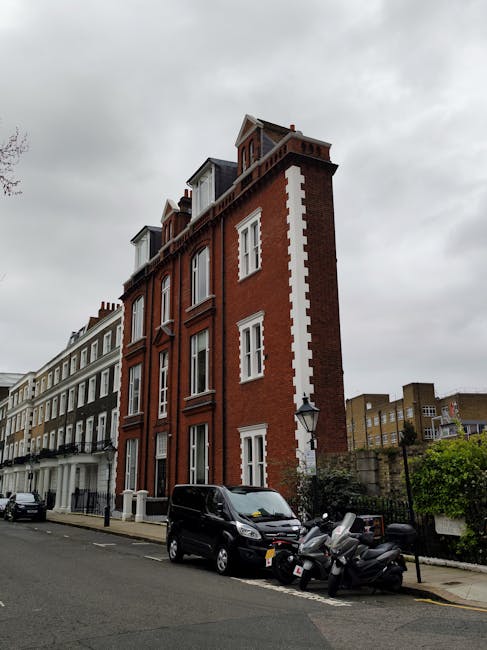
If you are moving house, flat, or office in Kensington, parking can become the awkward bit that slows everything down. A van arrives, the street is tight, neighbours are watching, and suddenly the big question is not where the sofa goes, but where the vehicle can legally stand. That is exactly why Kensington Council parking permits for removals explained matters: it helps you plan the move properly, avoid fines, and keep the day moving without that frantic mid-morning scramble.
Truth be told, most removal problems in London are not about heavy lifting. They are about access. A small parking mistake can waste time, add pressure, and turn a neat schedule into a mess. This guide breaks the process down in plain English, so you can understand what to check, what to book, and how to coordinate parking with the rest of the move.
Why Kensington Council parking permits for removals explained Matters
Kensington is not the sort of place where you can assume a van will just pull up outside and sit there all day. Streets can be narrow, bays can be controlled, and busy residential roads often leave very little room for error. If your removal vehicle blocks traffic, sits in the wrong bay, or stays beyond permitted time, the move can be interrupted very quickly.
That matters for a few reasons. First, parking enforcement in central London is real and active. Second, removal jobs rely on timing. Third, a smooth parking arrangement often determines whether movers can work efficiently or spend half the morning circling the block. When you think of the overall move, parking is not a minor detail. It is part of the job plan.
In our experience, people often focus on boxes, labels, and fragile items, then leave parking until the last minute. That is understandable. It is also expensive in stress. If your van has to park two streets away, every extra step adds time, and every extra minute can eat into the day. For larger moves, this can affect loading order, neighbour access, and even lift bookings in flats.
There is also a courtesy angle. A properly planned loading arrangement keeps pavements clearer, reduces friction with neighbours, and makes a move feel more organised. And let's face it, a calm move is a better move. Nobody wants to be negotiating with a passer-by at 8:15 in the morning while a mattress is halfway out the front door.
If your move involves a flat, a terrace, or a managed building, parking planning should sit alongside the packing plan. A service such as flat removals or home moves usually works best when access has been thought through early, not guessed on the day.
How Kensington Council parking permits for removals explained Works
The exact process can vary depending on the street, the type of restriction, and whether you need a suspension, dispensation, or another parking arrangement. In simple terms, the aim is to make sure the removal vehicle can legally stop where it needs to be for loading and unloading.
For many removals, the main practical questions are:
- Can the vehicle stop close enough to the property?
- Is the space a controlled parking bay, single yellow line, or resident-only area?
- Will the vehicle need extra time to load or unload?
- Does the building have a booking window, a loading bay, or concierge rules?
Some situations are straightforward. You may already have a legal loading window and a suitable space. Other situations need a council permit or parking control arrangement. The bigger the vehicle, the more important this becomes. A smaller vehicle may fit more easily, but even then, legal stopping space still matters.
It helps to think of the permit as part of the logistics, not as a standalone admin task. A good move is planned in layers: address access, parking rules, lift access, packing order, and timing. That is why services such as man and van or removal van work best when the access information is accurate from the start.
One practical note: parking rules can feel deceptively simple until you are standing outside with a trolley full of boxes. A bay that seems empty may still be restricted. A quiet road may still be subject to loading limits. So the safest approach is to treat the street as controlled until you have confirmed otherwise.
Key Benefits and Practical Advantages
Sorting parking properly is not just about avoiding a ticket. It improves the whole move.
- Smoother loading and unloading: the closer the van is to the property, the less time is spent carrying items back and forth.
- Lower risk of delays: fewer parking uncertainties means fewer interruptions on the day.
- Less physical strain: a sensible parking plan reduces unnecessary lifting distance.
- Better neighbour relations: organised access looks more considerate and less chaotic.
- Improved move-day confidence: when parking is settled, everything else tends to feel more manageable.
There is also a commercial advantage if your move is time-sensitive. For example, a business working with office removals or commercial moves usually cannot afford a morning lost to parking confusion. Staff, equipment, keys, and building access all depend on timing. Parking sits right in the middle of that chain.
Another practical gain is cost control. The permit itself, or the admin around it, may be far cheaper than the knock-on cost of a delayed crew, wasted mileage, or repeated trips because the vehicle could not stand close enough. Small details, big difference. That is often how moving works.
Who This Is For and When It Makes Sense
This is relevant for anyone moving in or out of Kensington where street parking is restricted, limited, or unpredictable. That includes homeowners, tenants, students, and businesses. If your move involves a vehicle that needs to stop directly outside or very near the property, parking planning should be on the list.
You are especially likely to need this if:
- you live on a busy residential street;
- you are moving from a flat with no private driveway;
- your building has a loading only area or concierge-managed access;
- the removal vehicle is large or will take time to load;
- you have furniture that cannot be carried very far safely;
- you are moving at a busy time of day or week.
Students moving into or out of shared housing often underestimate this. A few boxes may look manageable, but when there are stairs, narrow hallways, and no place to stop nearby, even a small move can become surprisingly slow. A well-timed student removals booking is much easier when parking is sorted first.
Similarly, if you are moving bulky items like a piano or large wardrobes, parking matters even more. Services like piano removals or furniture removals need careful access planning so the crew can work safely and without rushing.
Step-by-Step Guidance
If you want the clearest route through the process, use this sequence.
- Check your exact postcode and street restrictions. Do not rely on memory. Even nearby streets can have different rules.
- Confirm the moving vehicle size. A van, luton, or larger removal truck may need different space and may fit differently in loading bays.
- Work out loading and unloading times. Be realistic. If you have stairs, lift waiting times, or lots of fragile items, add breathing room.
- Identify the best place for the vehicle to stop. Directly outside is ideal, but not always possible. A short, safe carry is better than a risky stop.
- Decide whether a council permit or parking arrangement is needed. If the bay or street is controlled, arrange it in advance rather than assuming temporary loading will be fine.
- Share the access plan with your movers. Good movers will use that information to plan the vehicle position, tools, and timing.
- Prepare on move morning. Keep hallways clear, place key boxes first, and make sure someone can answer the door or gate.
If you are booking a fuller service, such as removal services or a more structured house removals package, ask the team how they prefer parking details to be provided. Good operators like clear, specific information. House number, road name, floor level, bay type, and access notes are all useful. Very useful, actually.
Here is a simple rule of thumb: if you think there is any doubt about where the van can stand, resolve it before moving day. That one call or email can save a lot of backtracking later.
Expert Tips for Better Results
After enough move days, you notice the same pattern: the moves that feel easiest are usually the ones with the best access notes. Nothing glamorous. Just good planning.
- Book early in busy seasons. End-of-month and weekend moves are more pressured, and parking spaces disappear quickly.
- Give the movers a visual cue if needed. A photo of the street, the bay, or the entrance can be surprisingly helpful.
- Build in a buffer. In London, a five-minute delay can become twenty minutes very fast.
- Use the right vehicle for the job. A smaller vehicle may be better for certain streets, while a larger truck can suit bigger properties if access is available. A service like moving truck or removal truck hire makes sense only when the street can genuinely support it.
- Tell the building early. Some blocks have rules about service lifts, loading entrances, or protectors for floors and walls.
One little but important tip: ask someone to stand near the entrance for the first ten minutes if there is any uncertainty about access. It sounds basic, and it is. But that person can answer quick questions, guide the driver, and prevent the awkward "Is this actually the right entrance?" moment that always seems to happen just as the kettle is boiling.
If you need secure holding time between properties, consider whether storage would make the logistics easier. That is not always necessary, of course, but for staggered dates or delayed keys, it can remove a lot of pressure.
Common Mistakes to Avoid
A few mistakes crop up again and again. Avoid these and you are already ahead of the pack.
- Leaving parking until the day before. By then, any fix is rushed.
- Assuming a quiet street means unrestricted parking. It often does not.
- Forgetting loading time. A move is never just about the vehicle arriving. It is about the time needed to carry, stack, protect, and load.
- Not checking for flat-specific access rules. Some buildings have move windows, lift reservations, or booking requirements.
- Choosing a vehicle that is too large for the street. Bigger is not always better.
- Failing to brief the movers on restrictions. They cannot plan around information they do not have.
The most expensive mistake is usually not a formal permit issue alone. It is the chain reaction: late start, rushed loading, blocked entrance, stressed neighbours, then a move that takes longer than it should. That is the bit people remember.
For smaller jobs, some people think a simple man with van setup will always be easier. Sometimes it is. Sometimes, if parking is difficult, a slightly more structured plan is actually safer and faster. Depends on the street, the load, and the day.
Tools, Resources and Recommendations
You do not need a drawer full of specialist tools to manage parking well. What you need is organised information. A few basics go a long way.
- Property details: full address, postcode, floor number, and whether there is a lift.
- Vehicle details: van size, estimated arrival window, and whether it will need a loading bay.
- Contact list: mover, building manager, landlord, or key holder.
- Move-day notes: access code, buzzer name, parking instructions, and any restrictions.
- Packing system: labels, colour coding, and a clear "open first" box.
If you want help with the physical side of preparing, packing and boxes or packing and unpacking services can reduce the chance of last-minute chaos. That matters because last-minute chaos tends to be the enemy of parking planning too.
For customers who prefer a more hands-off route, it can also be useful to speak with experienced removal companies that are used to central London access issues. The value is not just the lifting. It is the judgment they bring to route choice, vehicle size, and loading timing.
Law, Compliance, Standards, and Best Practice
This topic touches parking control, local access rules, and safe loading. So while this article keeps things practical rather than legalistic, it is worth being careful. Street parking in Kensington may be governed by local restrictions, bay markings, loading limits, and time-based controls. If you are unsure, do not guess.
Best practice is straightforward:
- check the street rules before booking the move;
- use the right permit or parking arrangement where needed;
- avoid blocking traffic or emergency access;
- make sure loading and unloading is done safely;
- follow building rules as well as street rules.
Good moving firms should also treat safety seriously. That includes safe lifting, correct vehicle positioning, and care around pedestrians, doorways, and tight corners. If you want to understand how a mover approaches risk and responsibility, pages like health and safety policy and insurance and safety are worth reading before you book. They help you judge whether the company operates with proper care, not just speed.
For customers comparing providers, it is also sensible to check terms and conditions and pricing and quotes so there are no surprises about arrival windows, waiting time, or what happens if access is difficult. That sort of reading is not thrilling. But then again, neither is a parking penalty.
Options, Methods, or Comparison Table
Different moves call for different approaches. Here is a simple comparison to help you think it through.
| Approach | Best for | Pros | Watch-outs |
|---|---|---|---|
| Standard roadside loading | Quiet streets with short loading stops | Simple, quick, often enough for smaller jobs | Only works if restrictions allow it |
| Council permit or parking arrangement | Controlled streets or longer loading periods | More certainty, better access, fewer surprises | Needs advance planning and the right information |
| Smaller van plus multiple trips | Compact moves or difficult roads | Can fit more easily into tight spaces | May take longer and require careful timing |
| Full removal truck | Larger homes, offices, or bulky loads | Efficient for bigger jobs when access is suitable | Needs the best parking and street access |
There is no universal best option. A one-bedroom flat in a tight Kensington street is a very different puzzle from a larger family move or an office relocation. For some people, same day removals are the right answer, but only if parking access is realistic and the job can be executed quickly.
Case Study or Real-World Example
Picture a fairly typical morning: a second-floor flat, a narrow street, a few parked cars, and a removal van due at 9:00. The customer has packed well, which is great. But they have not checked parking. The van arrives, finds the obvious space taken, and has to wait while the driver loops around for a legal stop. Ten minutes becomes twenty. Then the lift is occupied by another resident. Then the weather turns, just a bit damp and grey, and everyone starts feeling the pressure.
Now compare that with a move where parking was sorted in advance. The driver knows the best stopping point, the resident has warned the building manager, and the first load can go out immediately. Boxes are moved in a tidy chain, soft furnishings are protected, and the day feels controlled. Not perfect, because moves never are, but controlled enough.
That difference is often the whole story. The same amount of furniture. The same stairs. The same street. But one move is calm because the access plan is clear. If you are organising a flat or apartment move, that is exactly why flat removals work best when parking is decided early rather than improvised at the kerbside.
Practical Checklist
Use this before move day. It is simple, but it catches the common gaps.
- Confirm the full address and postcode.
- Check the street parking restrictions.
- Identify whether a permit, dispensation, or bay arrangement is needed.
- Tell the movers the vehicle size.
- Note lift access, stairs, and entrance codes.
- Warn the building manager or concierge if needed.
- Prepare labels and "first load" items.
- Clear hallways and entrances the night before.
- Keep mobile phones charged on move day.
- Plan for delays, just a little. London traffic has opinions.
If your move includes special items or a more complex layout, this checklist becomes even more important. That is true for house removals, office relocation services, and even furniture-only jobs such as furniture pick up.
Get a free quote today and see how much you can save.
Conclusion
Kensington Council parking permits for removals explained is really about one thing: making the move practical before it becomes stressful. If the van can stop legally and close to your property, everything else gets easier. The loading is faster, the team works better, and the day feels less like firefighting.
The smartest approach is to treat parking as part of the move plan from the beginning. Check the restrictions, match the vehicle to the street, and pass clear access details to your movers. It is not dramatic work, but it does make a dramatic difference. And honestly, that's what good moving support should feel like: calm, careful, and one step ahead.
Frequently Asked Questions
Do I always need a parking permit for removals in Kensington?
Not always. It depends on the street, the restrictions, the vehicle size, and how long the van needs to stop. Some moves can use a legal loading space without a special permit, while others need a council arrangement for certainty.
How far in advance should I sort parking for my move?
As early as you can, ideally once you know your moving date and vehicle type. The earlier you confirm the access rules, the easier it is to avoid last-minute changes.
Can a removal van just stop in a loading bay?
Only if the bay allows the type of stop you need and the time you need is permitted. Bays can be restricted by time, vehicle type, or loading conditions, so it is worth checking carefully.
What happens if the van cannot park outside the property?
The crew may need to park further away, which can add time and extra carrying. In some cases, the move is still fine; in others, it can create delays or make larger items harder to handle safely.
Are parking rules different for flats and houses?
Yes, often they are. Flats may have shared entrances, lift bookings, or building management rules, while houses may be simpler but still subject to street restrictions.
Is a smaller van better for tight Kensington streets?
Sometimes, yes. A smaller vehicle can be easier to place in narrow roads, but it may require more trips. The right choice depends on the amount you are moving and the parking available.
Do offices need the same parking planning as home moves?
Very much so. Office moves can be even more sensitive because they may involve equipment, time windows, and staff access. A good parking plan helps everything stay on schedule.
What should I tell my removal company about parking?
Give them the full address, any restrictions you know about, the best stopping point, and details of building access. If you are unsure, say so. That is better than guessing.
Can parking issues affect the cost of a move?
They can, especially if delays create extra labour time or force the team to make additional trips. That is why parking clarity is part of cost control, not just convenience.
Should I arrange storage if parking is difficult?
Storage is not always necessary, but it can help if the move dates are split or access is awkward. For staggered schedules, it takes pressure off the day and gives you more flexibility.
What is the best first step if I am not sure about the rules?
Start with the street and building access information, then speak with your mover. A company used to local removals can usually tell you whether your plan is realistic or needs adjusting.
Why do experienced movers care so much about parking details?
Because parking affects timing, safety, and the physical effort of the move. A few minutes of planning can prevent a lot of awkward lifting, waiting, and frustration later. Simple as that.
Where do packing services fit into the parking plan?
Packing services help reduce last-minute chaos, which indirectly makes parking management easier too. If the move is organised, the vehicle can be loaded faster and parked more efficiently.
If you are comparing moving support, it is worth looking at a company's about us page to understand how they work, along with their recycling and sustainability approach if you are decluttering during the move. Small clues like that tell you a lot about how carefully a firm operates. And if you still have questions, the best next step is often just a straightforward conversation.